Why Early Detection Matters
The earlier a dental infection is caught, the simpler and more successful the treatment. When the pulp tissue inside a tooth becomes inflamed or infected, it won't heal on its own — and delaying treatment can lead to abscess formation, bone loss, and eventual tooth loss.
Here are the five most common signs that suggest you may need root canal treatment.
Early intervention can save your tooth and prevent the spread of infection to surrounding tissues and bone.
1. Persistent or Severe Tooth Pain
If you experience deep, throbbing tooth pain that lingers for extended periods or wakes you up at night, it could indicate that the nerve inside your tooth is inflamed or dying. This pain may be constant or come in waves, and it often intensifies when lying down.
While not all tooth pain means you need a root canal, persistent pain that doesn't respond to over-the-counter pain medication warrants an immediate dental evaluation.
2. Prolonged Sensitivity to Hot or Cold
Brief sensitivity when eating ice cream or drinking hot coffee is normal. However, if the sensitivity lingers for 30 seconds or more after the stimulus is removed, it may indicate damage to the tooth's pulp tissue.
This prolonged sensitivity is different from the fleeting discomfort associated with sensitive teeth and suggests deeper nerve involvement that may require endodontic treatment.
3. Tooth Discolouration
A tooth that has darkened or turned grey compared to its neighbours may have compromised blood supply to its pulp tissue. This discolouration happens when the internal tissue breaks down, releasing byproducts that stain the tooth from within.
While discolouration can have other causes (such as trauma or certain medications), a single darkened tooth should always be evaluated by a dentist.
4. Swollen or Tender Gums
Swelling in the gums near a painful tooth can indicate an infection that has spread beyond the tooth's root tip. You may notice a small bump (called a fistula or gum boil) on the gum, which may periodically drain pus.
Gum swelling associated with an infected tooth is different from gum disease — it's typically localised to one area and directly related to the affected tooth.
5. Pain When Chewing or Touching the Tooth
If a tooth hurts when you bite down, tap on it, or apply pressure, it may indicate inflammation at the root tip. This tenderness suggests that the ligament around the tooth root has become inflamed due to infection or pulp death.
This symptom is particularly telling when combined with any of the other signs listed above, and it should prompt a visit to your dentist as soon as possible.
What to Do Next
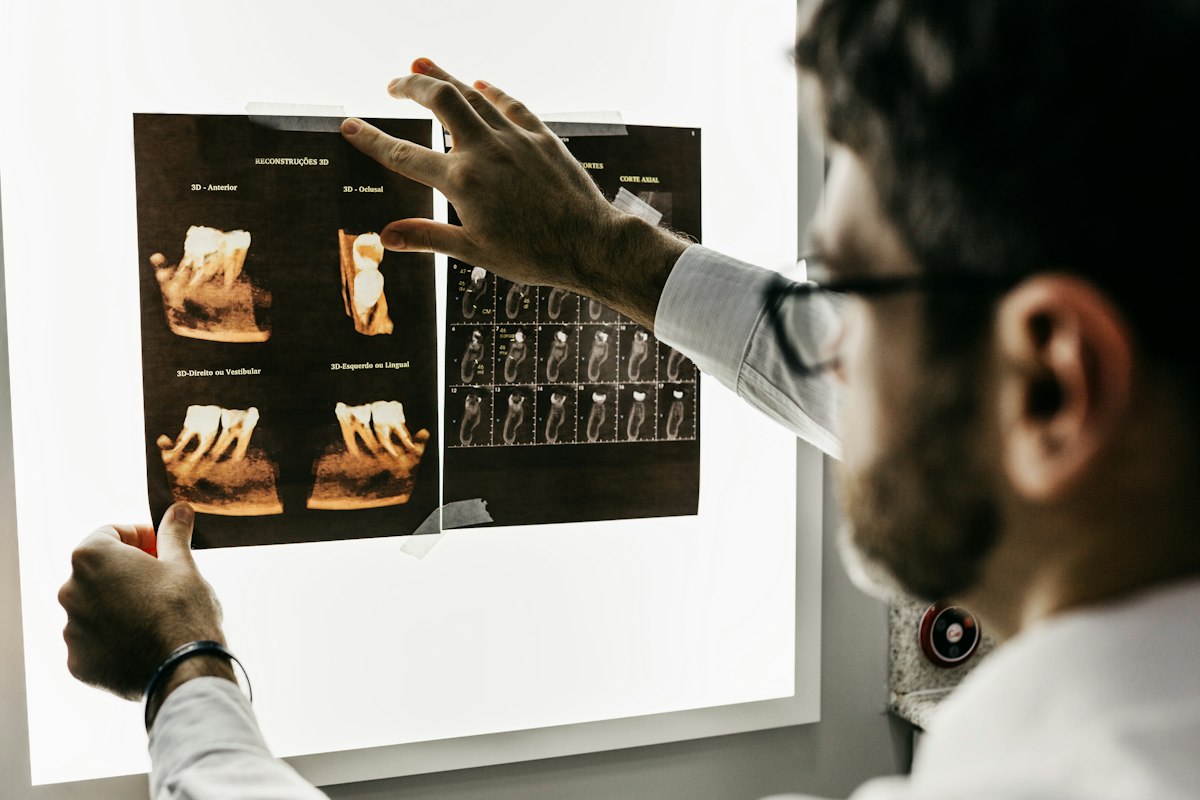
If you're experiencing any of these symptoms, don't wait. Early evaluation and treatment can save your tooth and prevent complications. Contact Dental Wellness to schedule a consultation — our endodontists use advanced diagnostic tools including digital X-rays and pulp vitality testing to accurately assess your condition and recommend the most appropriate treatment.